Lumbar Biodynamics for Orthopedics: Posterior Stabilization with Ultrasound-Guided Injections
I’m Dr. Eric Philippi of RPI, and I want to share a biomechanically informed perspective on the lumbar spine and how targeted injections can support posterior stability. This article is written for orthopedic providers—spine fellows, sports medicine specialists, interventional pain physicians—who want to translate lumbar biomechanics into actionable clinical practice.
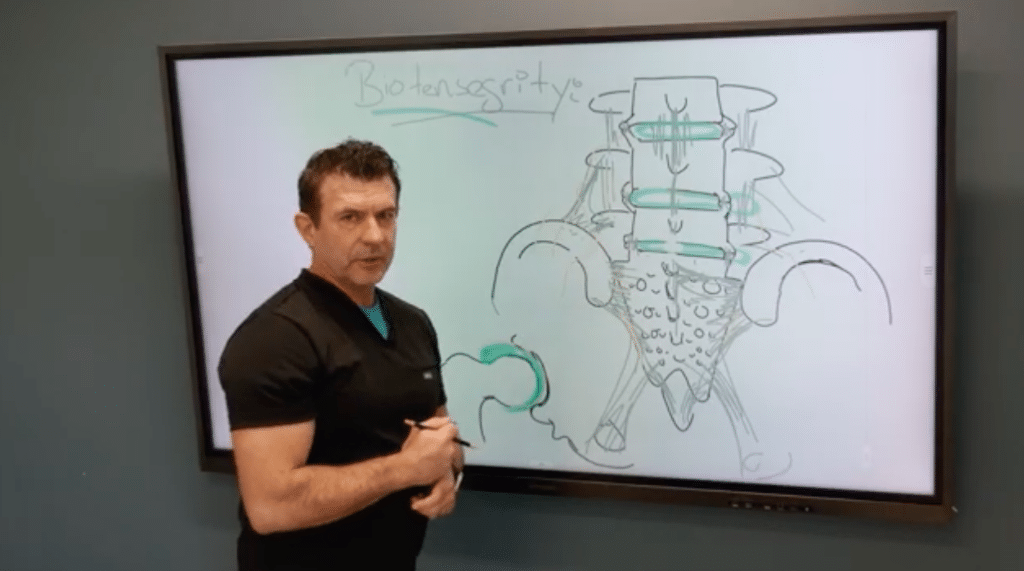
The lumbar functional unit is more than a stack of vertebrae; it’s a dynamic system where each level interacts with the one above and below through vertebral bodies, discs, lamina, facet joints, and the posterior ligaments. In this context, biodynamics and the concept of “biotensegrity”—the posterior elements acting as stabilizers—offer a practical framework for understanding pain generators and guiding interventions.
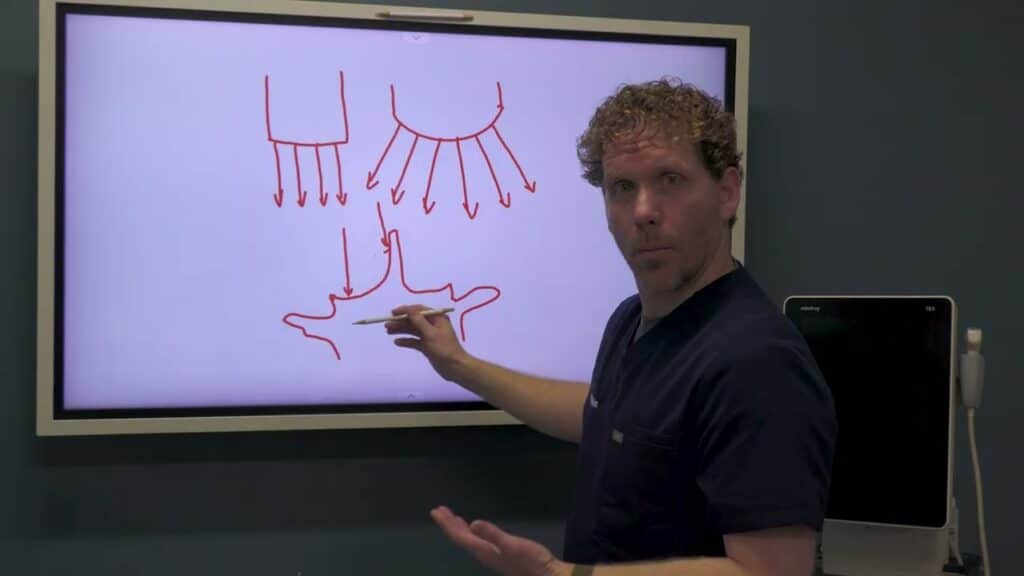
A useful way to think about this is via the fulcrum analogy. The facet joints act as a central pivot, with the lamina and posterior ligaments providing stabilizing support. When posture deteriorates, repetitive strain, or acute trauma loosens these ligaments, the load distribution shifts. The result can be accelerated disc degeneration, facet arthropathy, and nerve irritation. My approach is to restore stability by delivering precise injections that reinforce the posterior spine and reduce mechanical stress on the discs and nerve roots.
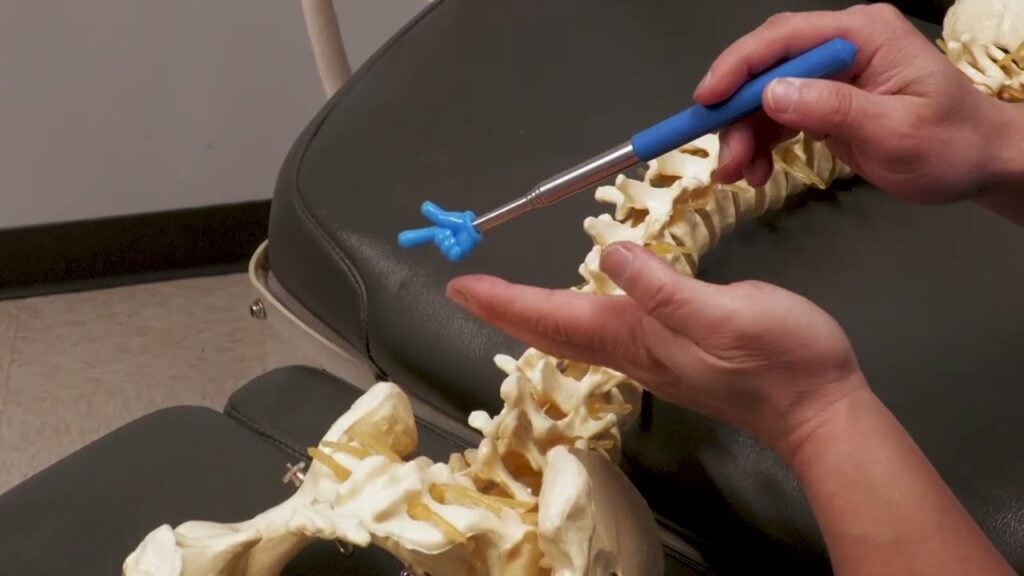
In practice, I emphasize a targeted posterior approach under ultrasound or palpation guidance. The goal is to tighten and stabilize the posterior ligaments and elements to restore a more physiological lumbar lordosis and to relieve forward-directed pressure on the discs. By stabilizing the posterior aspects, we can potentially mitigate nerve compression and facet-related pain while preserving mobility. This is not about a one-size-fits-all solution; it’s about identifying which posterior structures contribute to instability in a given patient and choosing an injection strategy that addresses those components.
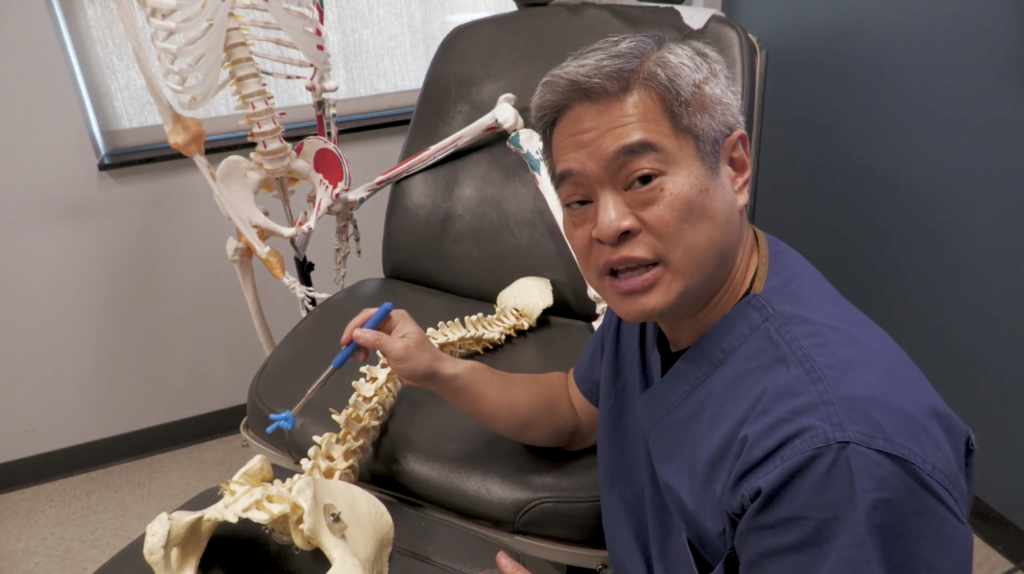
Ultrasound guidance plays a central role in this plan. It enhances our ability to visualize posterior spinal structures, confirm needle trajectory, and ensure accurate deposition around ligaments and joints. With ultrasound, we can verify that our target is reached without compromising nearby neural structures. The practical takeaway is to map the spine’s alignment, identify the posterior stabilizers, and then deliver a targeted injection that supports the spine’s natural biomechanics.
In designing a treatment course, consider how biodynamics informs patient selection. Patients with recurrent episodes of facet-related pain, subtle sagittal imbalance, or segmental instability may benefit from a posterior stabilization strategy. The injections themselves can help restore proprioceptive feedback and reduce inflammatory signaling within the posterior elements, potentially decreasing pain and improving function. That said, the success of this approach hinges on careful patient selection, precise technique, and thoughtful integration with rehabilitation.
A primer on this approach is also a reminder that biomechanics should inform not only injections but the broader care pathway. Imaging findings must be interpreted in the context of standing and dynamic spinal mechanics. When planning injections, I assess global alignment, segmental stability, and the contribution of posterior ligaments to load transfer. I view the spine as a cohesive unit, where restoring posterior stability can reduce strain on the discs and facets and support a more favorable healing environment.
As we prepare for ongoing education and conference discussions—such as insights into the biodynamics of the lumbar spine—this framework helps translate theory into practice. If you’re an orthopedic provider, consider how a biomechanical lens—focusing on stabilizing the posterior spine—might refine your patient selection, injections, and rehabilitation plans. It’s not only about relief of pain; it’s about restoring functional biomechanics to preserve mobility and quality of life.