How to Diagnose and Treat Low Back Pain: Differential Diagnosis
Low back pain is a common complaint among patients, and effectively diagnosing and treating it requires a nuanced understanding of its various causes and effective interventions. This guide provides a comprehensive overview of how to navigate the complexities of low back pain, from differential diagnosis to advanced diagnostic and treatment techniques.
How to Understand the Differential Diagnosis in Low Back Pain:
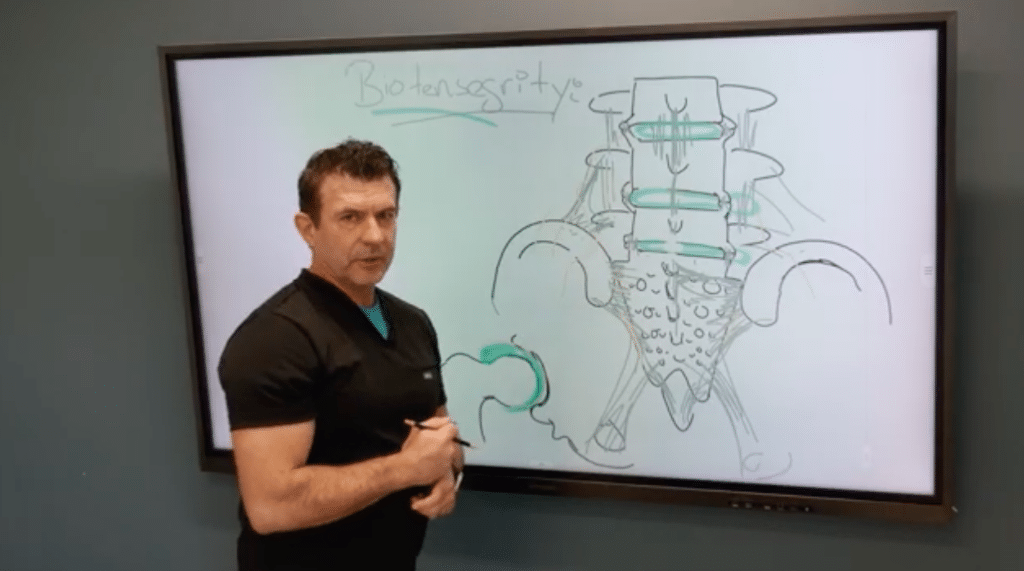
Understanding the differential diagnosis in low back pain is critical for effective treatment. It’s important to differentiate between actual spine pain and radicular spine pain, often stemming from conditions like degenerative disc disease and facet arthritis. Distinguishing between these can guide targeted interventions and improve patient outcomes.
How to Utilize Diagnostic Exam Techniques:
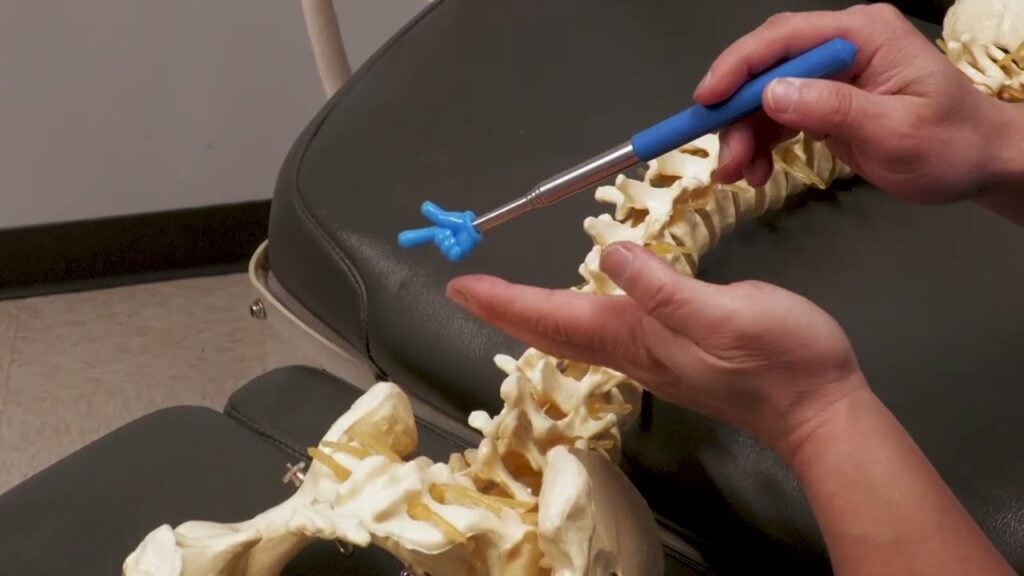
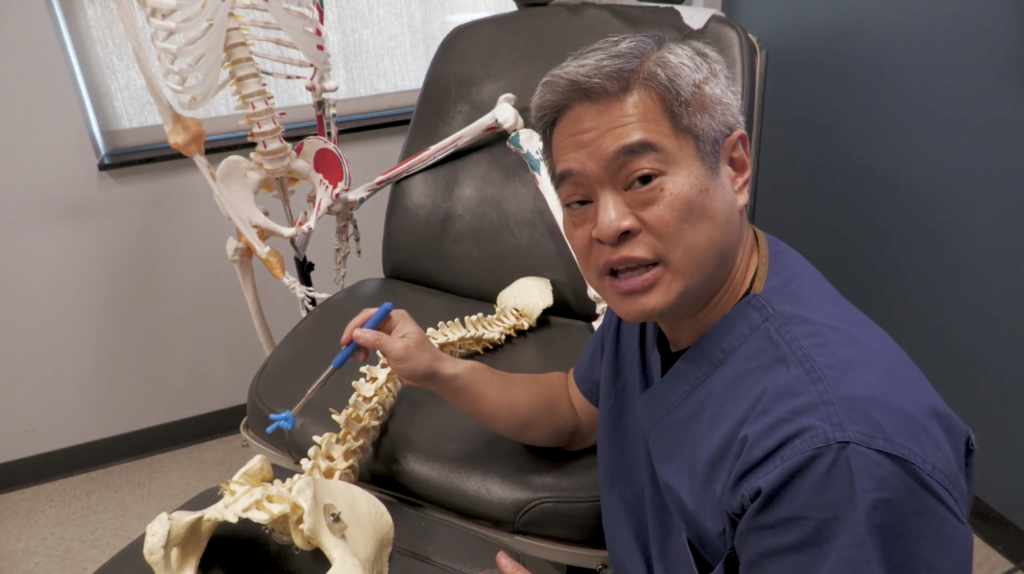
Diagnostic exam techniques are pivotal in identifying the specific cause of low back pain. By employing various methods, practitioners can discern between facetal versus dyspogenic pain sources, enabling the formulation of a more personalized and effective treatment plan. Mastery of these diagnostic skills is essential for healthcare providers.
How to Identify the Role of the Ileal Lumbar Ligament:
The ileal lumbar ligament plays a significant role as a pain generator in low back pain. Recognizing its role can guide targeted interventions, such as diagnostic injections, to alleviate discomfort. Understanding the anatomical structures involved in back pain is crucial for effective treatment.
How to Approach Thoracolumbar Fascia Pain:
The thoracolumbar fascia is a common site for pain due to its extensive connective tissue. Exploring the complex interplay between various anatomical structures and pain in this area can help in crafting more effective treatment plans. A deep understanding of the thoracolumbar fascia’s contribution to pain is essential.
How to Implement Diagnostic Injection Solutions:
Diagnostic injections are a valuable tool for identifying and treating sources of back pain. By strategically using injections, especially targeted at structures like the ileal lumbar ligament, practitioners can provide significant relief. This method serves as an important component of a comprehensive treatment plan.
How to Address Nerve-Related Pain:
Understanding how nerves contribute to pain is vital for diagnosing and treating back pain effectively. Focusing on nerve-related pain, including the role of nerves like the eli hypogastric, underscores the complexity of back pain and the need for a nuanced approach to treatment.
How to Enhance Diagnostic Accuracy with Ultrasound Skills:
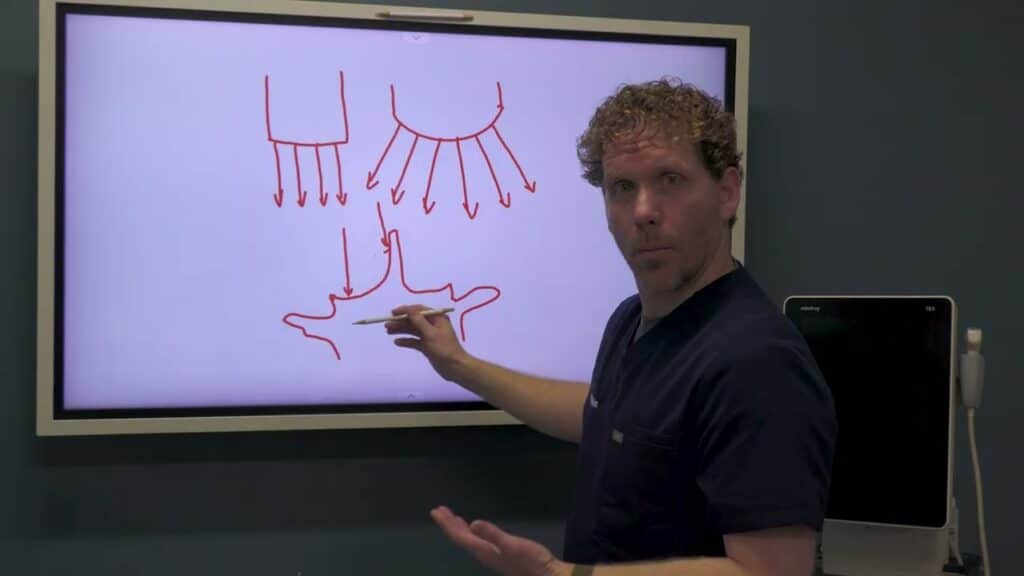
Integrating ultrasound into the diagnostic process allows for a non-invasive examination of the back, providing real-time images of the spine and surrounding tissues. These advanced imaging techniques enhance diagnostic accuracy and guide treatment decisions, leading to better patient outcomes.
By focusing on these key areas, healthcare professionals can improve their management of low back pain, offering patients relief and a better quality of life. Understanding the intricacies of low back pain diagnosis and treatment is a journey, but with the right knowledge and tools, it’s one that can lead to significant benefits for both practitioners and patients alike.