Pelvic & Lumbar Nerve Entrapments: A Practical Guide for Persistent Low-Back and Pelvic Pain
Low-back pain is one of the most common complaints in clinical practice—and a surprising amount of it isn’t purely disc, facet, or SI-joint related. Peripheral nerve entrapments around the lumbar spine and pelvis often drive pain patterns that look “radicular,” resist standard care, and linger for years. In this quick guide—adapted from a live teaching session—we’ll tour the key posterior and anterior pelvic nerves, how they get trapped, and practical ways to find and treat them with palpation and ultrasound.
Posterior Pelvis: Meet the Cluneal Nerves
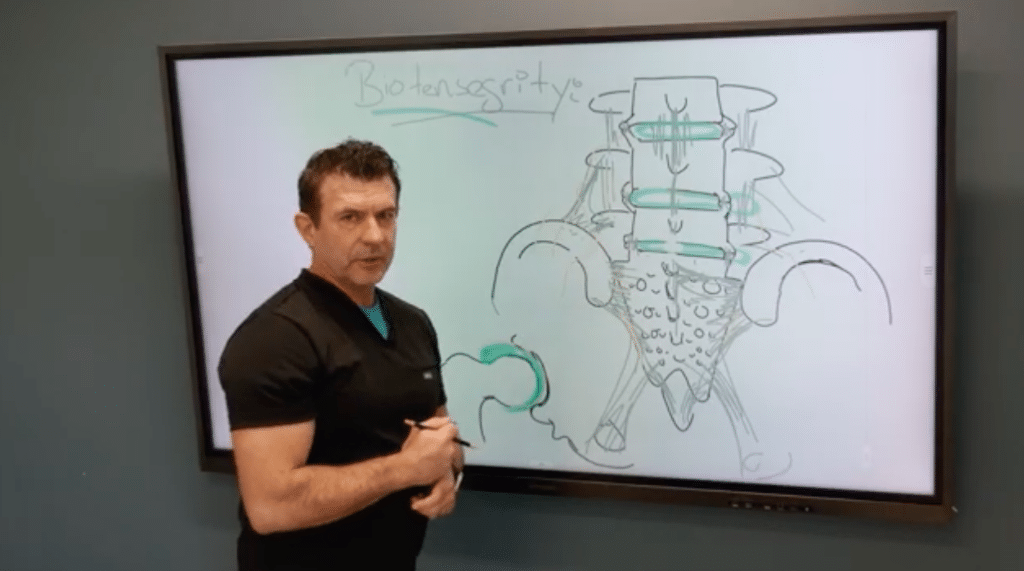
Why they matter. Superior, middle, and inferior cluneal nerves provide cutaneous innervation across the low back and buttock. They’re frequently irritated in the setting of lumbar/SI instability and facet degeneration—think “double crush”: one site at the spine/facet and another as the nerve crosses fascia or bone.
Superior cluneal nerve (SCN—especially the L3 branch).
The L3 SCN is the usual suspect. It’s commonly irritated:
• Proximally near the L5–S1 facet, and
• Distally as it passes a fibro-osseous tunnel over the iliac crest.
Patients may have focal tenderness along the crest and pain that tracks toward the greater trochanter—a helpful mental “target” because many posterior pelvic sensory branches visually and clinically “point” there.
Middle cluneal nerve (MCN).
This nerve traverses the posterior SI ligaments and the paraspinal musculature. The S1 branch takes a sharp turn beneath the PSIS, running over the posterior long SI ligament—a classic spot where tissue glide is poor and palpation is exquisitely tender. Hydrodissection here can instantly change a “disc-like” pain picture.
Inferior cluneal nerve (ICN).
A branch of the posterior femoral cutaneous nerve, the ICN emerges near the gluteal cleft and innervates the inferior-medial buttock. Its territory overlaps with pudendal branches, so patients with “sit bone” or rectal-adjacent pain often report aggravation when seated on hard surfaces.
Landmarking and technique cues.
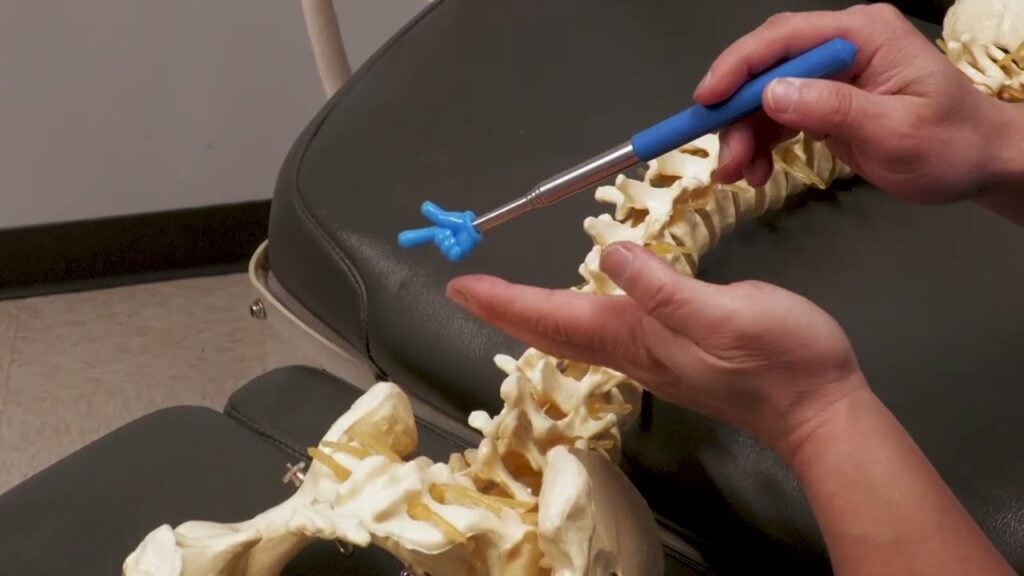
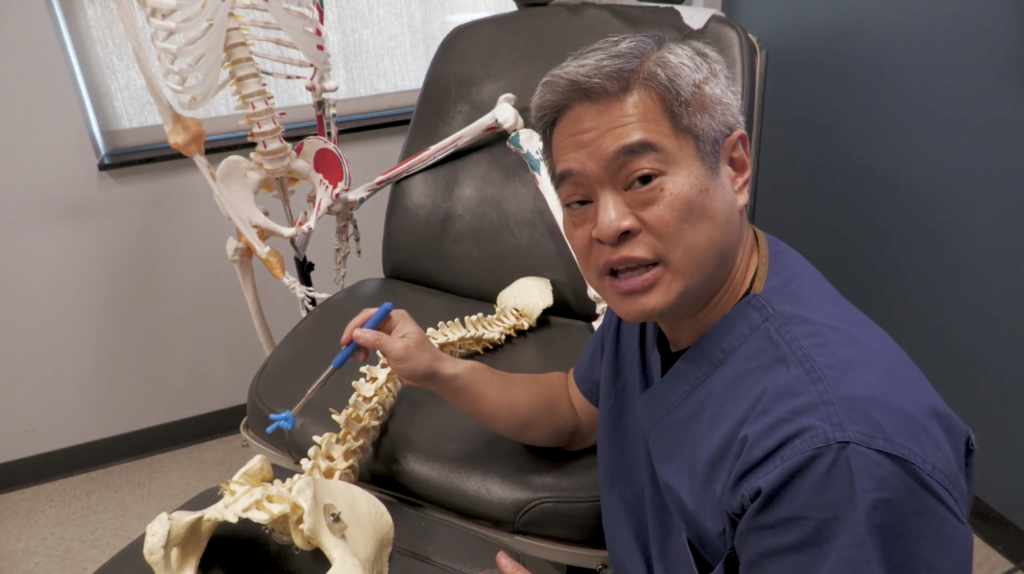
Systematically mark the PSIS, iliac crest (carry the line forward; the whole crest matters), the lateral sacral border, and the ischial tuberosity. With those bony rails mapped, palpation-guided injections become straightforward; ultrasound refines the plan by visualizing facets, fascial tunnels, and the nerve as it dives or turns.
Anterior Pelvis: Iliohypogastric, Ilioinguinal, Genitofemoral & Friends
Iliohypogastric (IH) vs Ilioinguinal (II).
These travel between the internal oblique and transversus abdominis before getting more superficial. Two rules help:
• Trajectory around the crest:
– IH tends to run 1–2 cm above the iliac crest.
– II runs on the crest.
• Inguinal canal behavior:
– IH stays above the canal (about 2 cm superior to the ASIS and the canal itself).
– II enters and traverses the inguinal canal and supplies the pubic and proximal medial-thigh region.
Genitofemoral (GF).
Splits into a genital branch (often tracking with II through the canal) and a femoral branch that lies just superior to the femoral artery under the inguinal ligament (look ~1.5 cm lateral to the artery for tenderness).
Subcostal nerve.
Similar field to IH but typically 2–3 cm above it; has a lateral cutaneous branch between the mid-axillary line and ASIS.
Femoral & obturator nerves.
These are deeper and often best addressed with ultrasound:
• Femoral: identify the femoral artery, then look lateral for the nerve in the iliopsoas groove.
• Obturator: exits the obturator canal, then splits within the fascial planes between adductor longus, brevis, and magnus—a great target in chronic adductor strains and “sports hernia” patterns.
Lateral femoral cutaneous nerve (LFCN).
Classic meralgia paresthetica arises as LFCN crosses medial to the ASIS, under the inguinal ligament, and over the sartorius. Treat the triangle just distal/medial to ASIS, then track anteriorly to catch the bifurcation—posterior fibers run toward the fibular head, anterior fibers toward the VMO region.
The Knee’s Patellar Plexus: Don’t Forget the Rim
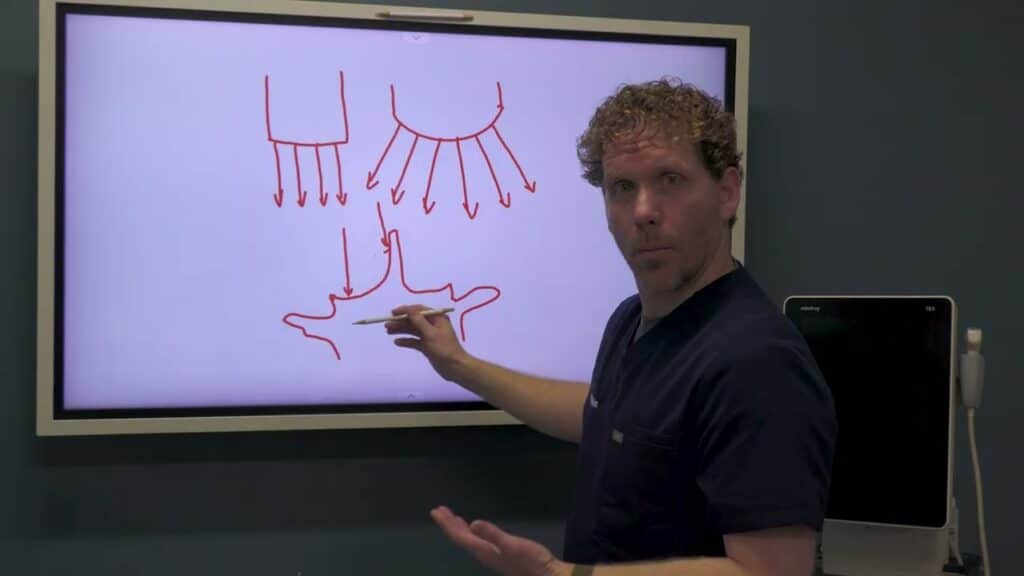
Anterior knee pain that worsens with kneeling isn’t always patellofemoral syndrome. The anterior femoral cutaneous branches, LFCN, and infrapatellar saphenous branches create a patellar plexus right along the patellar rim. Because these are superficial cutaneous nerves draped over bone, compression occurs at superior, mid-rim, and inferior points. Palpate the rim methodically; tender “snap-points” often respond dramatically to small-volume hydrodissection.
ACNES: Abdominal Cutaneous Nerve Entrapment Syndrome
When the GI workup is pristine but focal abdominal pain persists, think ACNES. Thoracic roots (T7–T12) travel between abdominal wall layers, then turn sharply through the linea semilunaris and rectus sheath to pierce the fascia via a small aponeurotic ring—a perfect choke point.
Clues: a fingertip-sized spot of maximal tenderness, a positive Carnett sign (pain remains or worsens when the patient tenses the abdomen), and immediate relief after a small diagnostic/therapeutic injection into the ring. Ultrasound helps you find the fascial exit; Doppler may show the companion artery.
TAP Blocks & Why Ultrasound Wins
A transversus abdominis plane (TAP) block spreads fluid between the internal oblique and transversus abdominis, bathing IH/II (and sometimes subcostal) along their course. You can approach more lateral (mid-axillary, over the iliac crest) or more anterior (near the ASIS), depending on where palpation and symptoms localize. Ultrasound confirms the three muscle layers and shows the hydrodissection plane in real time.
For the posterior pelvis, ultrasound is equally helpful:
• Visualizing the L5–S1 facet adjacent to the SCN
• Dissecting the posterior long SI ligament for MCN entrapment
• Tracking the pudendal course between the sacrospinous and sacrotuberous ligaments toward Alcock’s canal
• Identifying the sciatic and posterior femoral cutaneous nerves around the ischial tuberosity and quadratus femoris
Caudal Epidural with Dextrose: A Safe, Central “Reset”
As a complement to perineural work, a caudal epidural (performed under ultrasound by identifying the sacral cornua and entering the canal beneath the sacro-coccygeal ligament) can “centralize” pain and calm multiple irritated roots. Hyperosmolar solutions like dextrose have been studied for decades; many clinicians now use dextrose as an active therapeutic rather than just a carrier. Ultrasound and color flow confirm correct spread in the epidural space.
Take-Home Pearls
• If you can push it and reproduce the pain, it’s probably peripheral. Radiculopathy often isn’t tender to focal palpation; cluneal and cutaneous entrapments usually are.
• Map first, treat second. Mark PSIS, iliac crest, sacral border, ischial tuberosity, ASIS, and the inguinal ligament. Landmarks turn chaos into a protocol.
• Think in planes and tunnels. Fascia + bony edges + sharp turns = likely choke points.
• Use ultrasound to see the problem. It upgrades safety, accuracy, and patient confidence.
• Remember the “greater trochanter target.” Many posterior pelvic branches aim toward it—track pain patterns with that in mind.
Clinical content is for educational purposes for trained healthcare professionals. Patients should consult qualified clinicians before any procedure or treatment.