Latest Insights and Articles

How to Approach the Lumbar Spine: A Practical Guide for Diagnosing and Treating Low Back Pain

When a patient arrives with low back pain, the goal is clear: identify the pain generators and assemble a treatment plan that reduces pain, improves function, and preserves the health of the structures involved. In this guide, I’ll walk through a practical framework you can apply in clinic, with a focus on anatomy, diagnostics, and a stepwise approach to treatment that includes conservative care, injections, and regenerative techniques.

Discover More »
lumbar spine mechanics

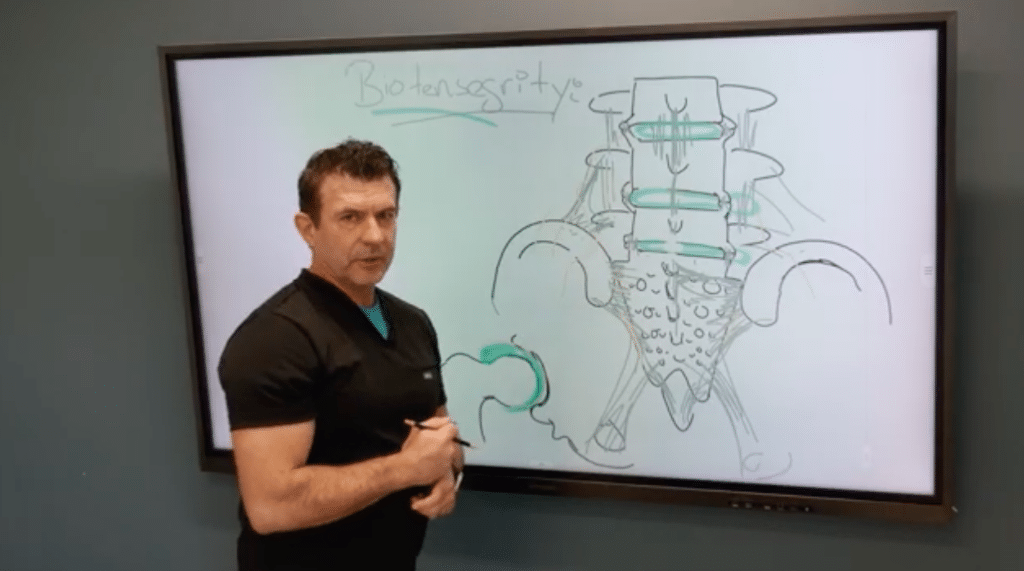
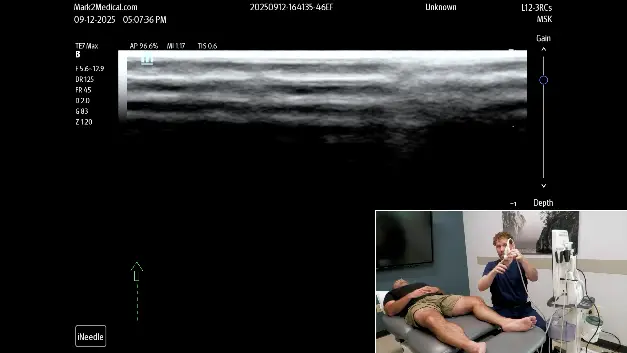
Lumbar Biodynamics for Orthopedics: Posterior Stabilization with Ultrasound-Guided Injections

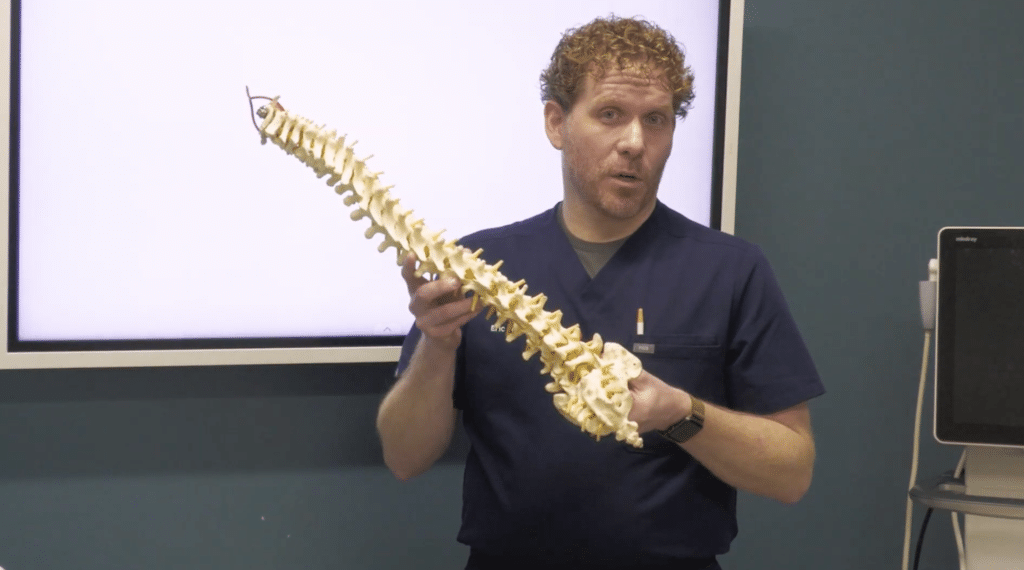
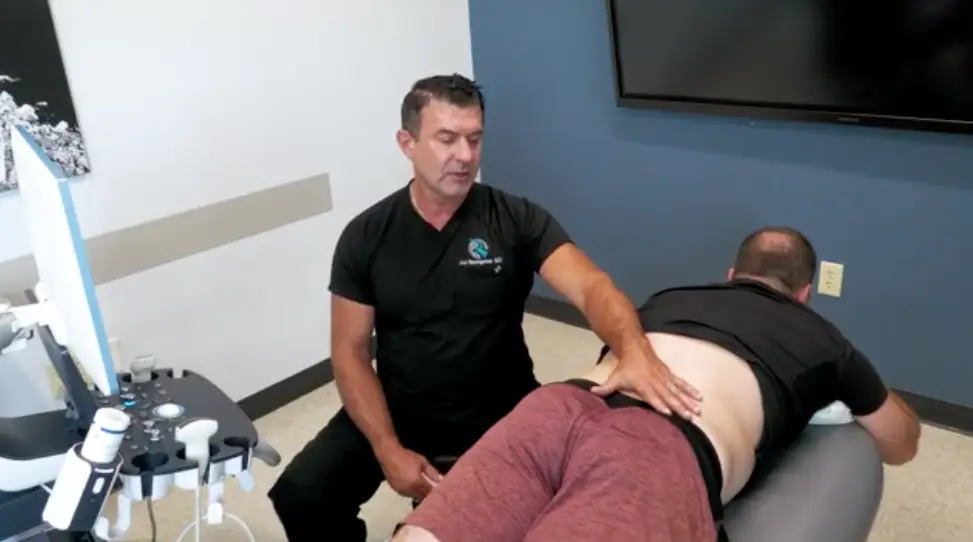
The lumbar functional unit is a dynamic system. Each vertebral level interacts with the one above and below through a complex interplay of vertebral bodies, discs, lamina, facet joints, and the posterior ligaments. In this context, the concept of biodynamics and biotin—the posterior elements acting as stabilizers—becomes a useful framework for understanding where pain and instability originate and how we can address them with injections.

Discover More »

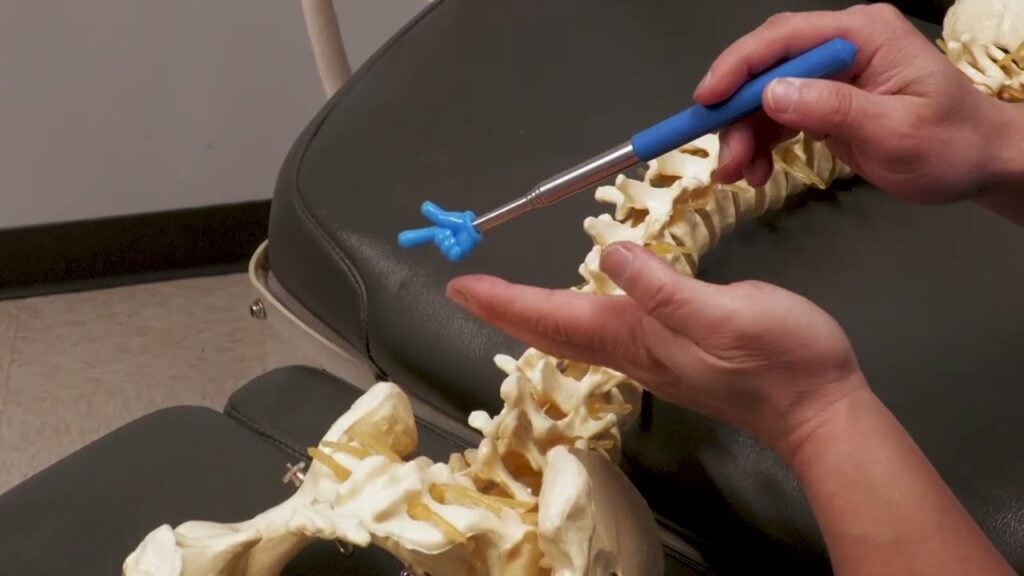
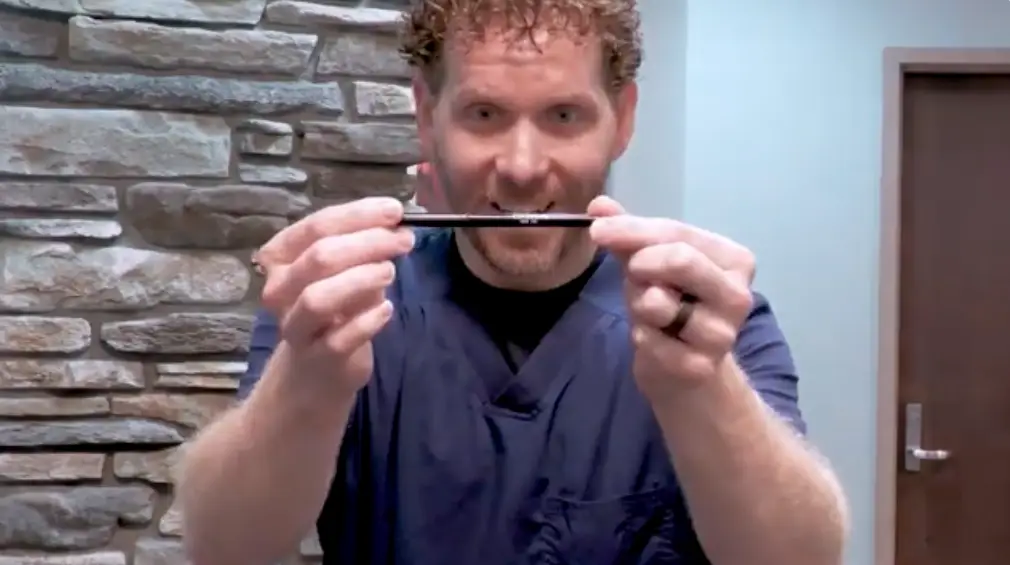
The Surprisingly Perfect Skin-Marking Pen for Prolo & PRP (Yes, It’s an Eyeliner)

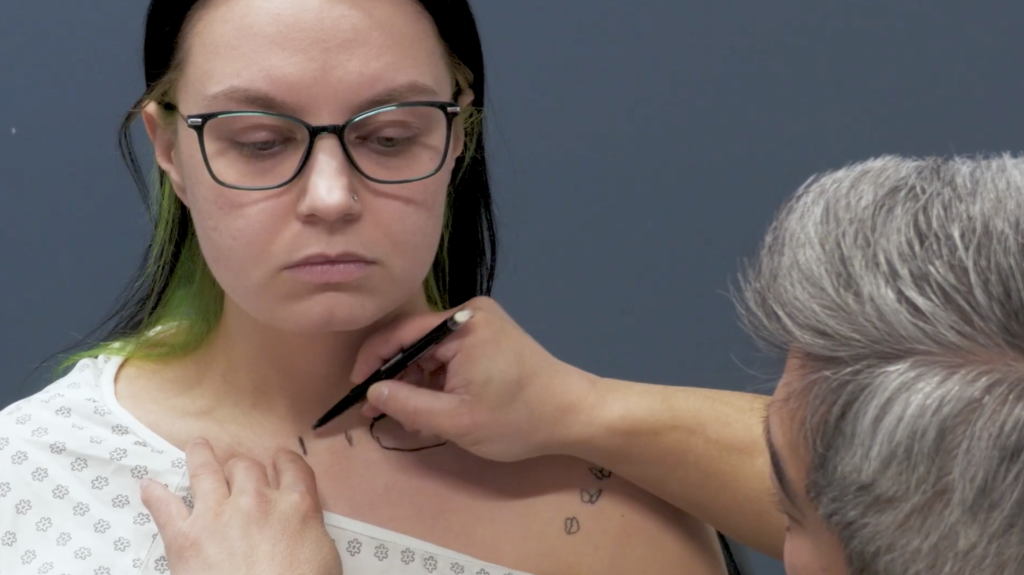
Quick, practical tip you can use on your very next injection day: the humble skin-marking pen. When I’m planning prolotherapy or PRP, I always start with palpation. I mark bony landmarks and key reference points directly on the skin, then confirm and refine with ultrasound. That simple step does two things: it sharpens my targeting on screen and it improves the patient’s experience—because they can see the plan before we ever pick up a needle.

Discover More »

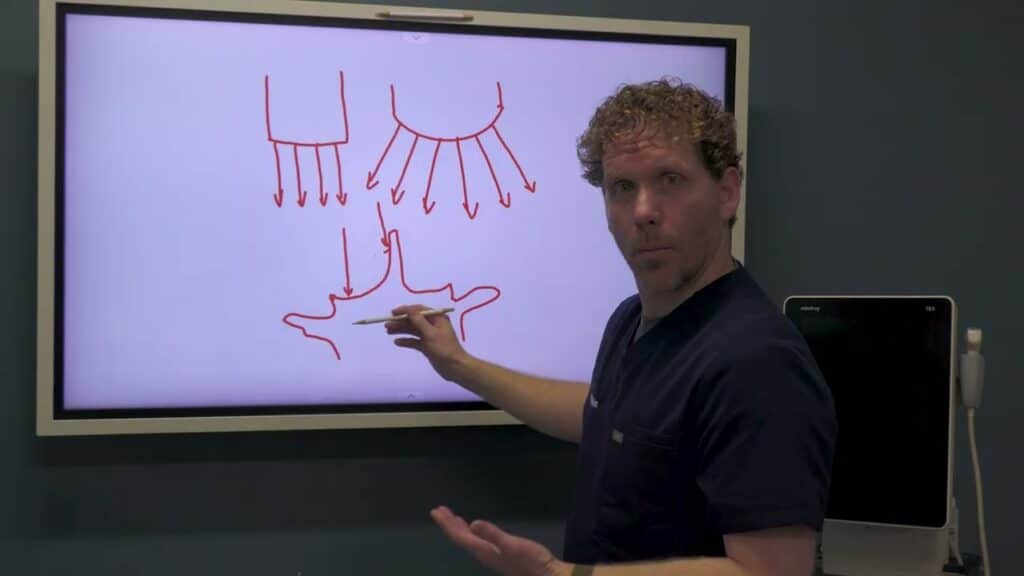
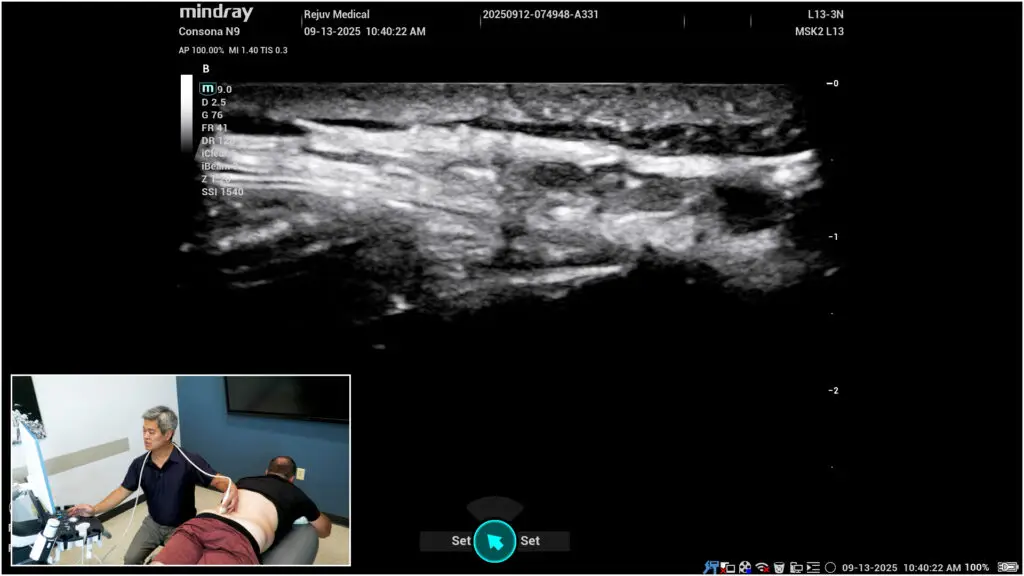
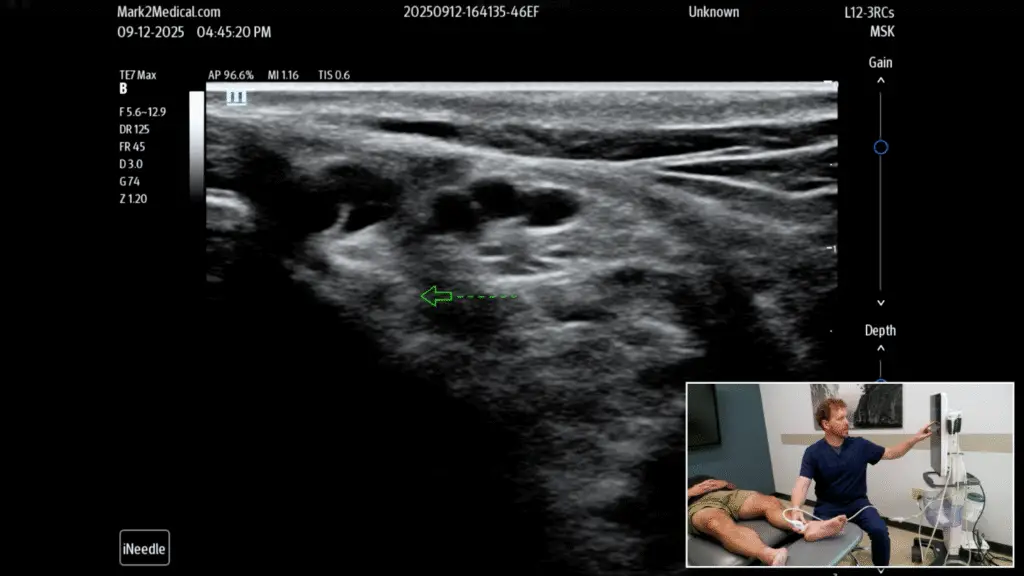
Ultrasound Depth Settings for Safer, Cleaner Injections

Depth is one of the first—and most important—settings to optimize when performing ultrasound-guided injections. Set it too shallow and you’ll lose critical lateral information; too deep and you sacrifice resolution. Here’s a simple, repeatable approach using the medial ankle (posterior tibial nerve at the medial malleolus) to get your depth right before you ever pick up a needle.

Discover More »

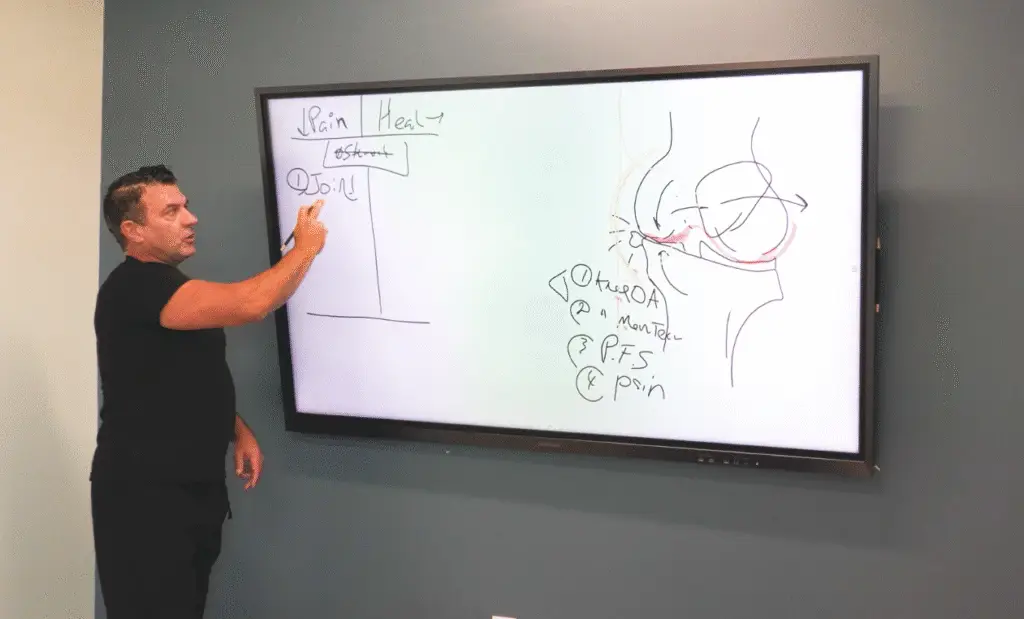
The 5-Minute Consult: Patient Education That Drives Outcomes

Great procedures start with great conversations. When knee pain patients arrive already “pre-sold” by a friend’s success, your job is to connect clear diagnostics with an ethical, evidence-based plan they understand—and can act on. Here’s a fast, reproducible flow you can use at the end of your visit to align expectations, reduce fear, and map next steps.

Discover More »
knee physical exam orthopedics

The Hip Physical Exam: A Tissue-Type Mindset for Precise Diagnosis

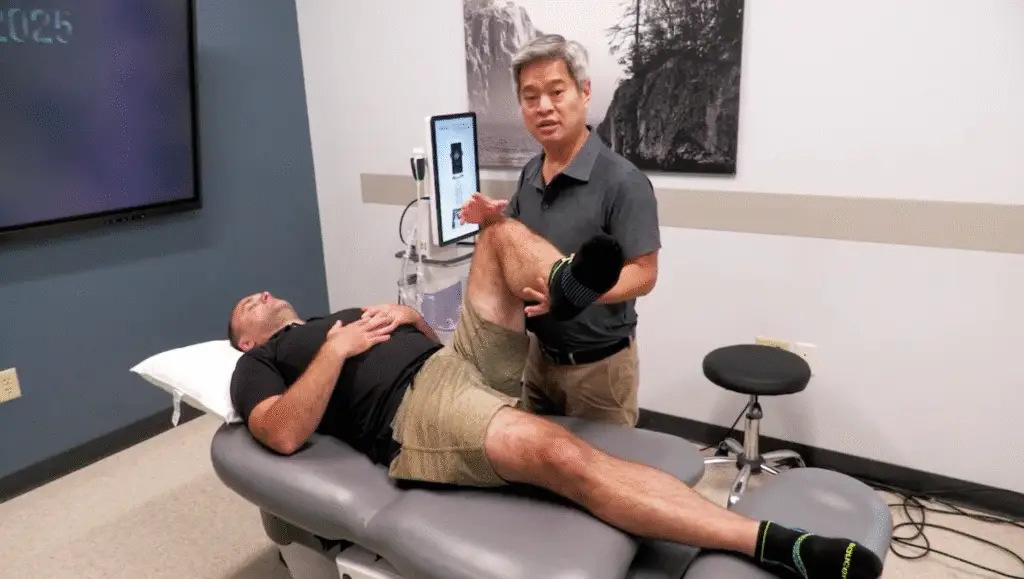
A great hip exam starts before you touch the patient—with your mindset. Approaching complaints by tissue type (skin, subcutis, fascia, muscle, tendon, ligament, bursa/capsule) versus orthopedic structures (bone, joint, cartilage, labrum, nerves) helps you form a tighter differential, choose the right procedures (e.g., peritendinous vs intra-articular), and even anticipate accurate documentation and codes.

Discover More »

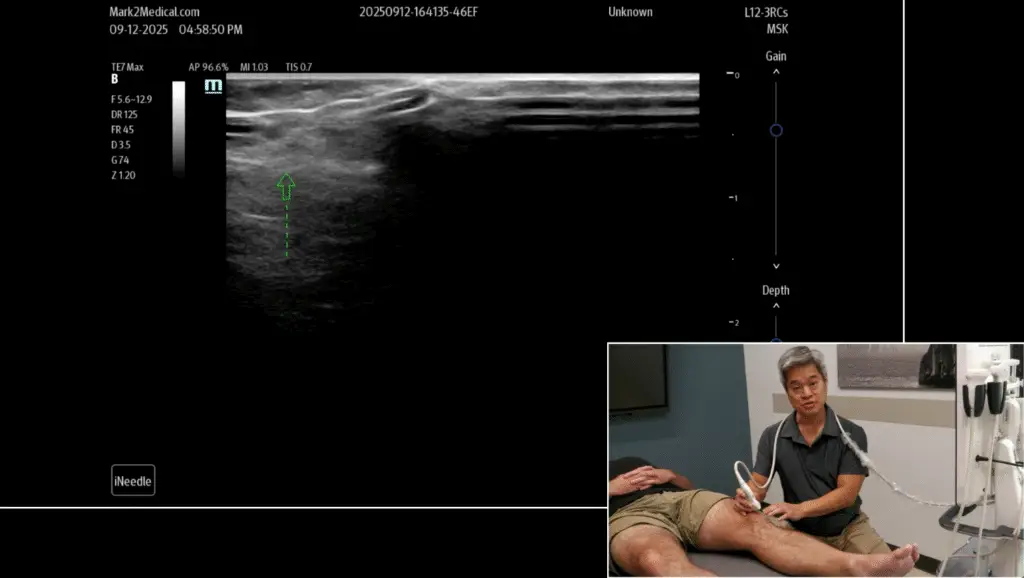
The Step-by-Step Knee Physical Exam: A Practical Guide

Unlock the secrets to an effective knee physical exam with our step-by-step guide! Whether you’re a seasoned clinician or a student, mastering this structured approach will help you identify the root cause of knee pain—be it articular, ligamentous, meniscal, or neuro-myofascial. From standing inspections to detailed palpation maps, each step is designed to enhance your diagnostic skills. Discover essential techniques like the Lachman test and McMurray maneuver, and learn how foot mechanics can influence knee health. Dive into our practical guide and elevate your clinical practice today!

Discover More »

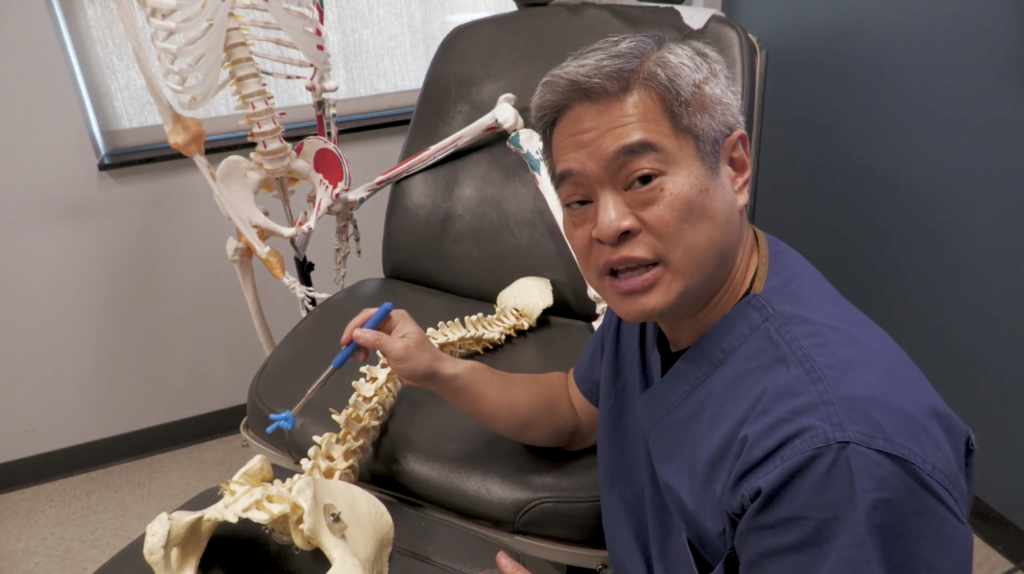
How to Diagnose and Treat Low Back Pain: Differential Diagnosis

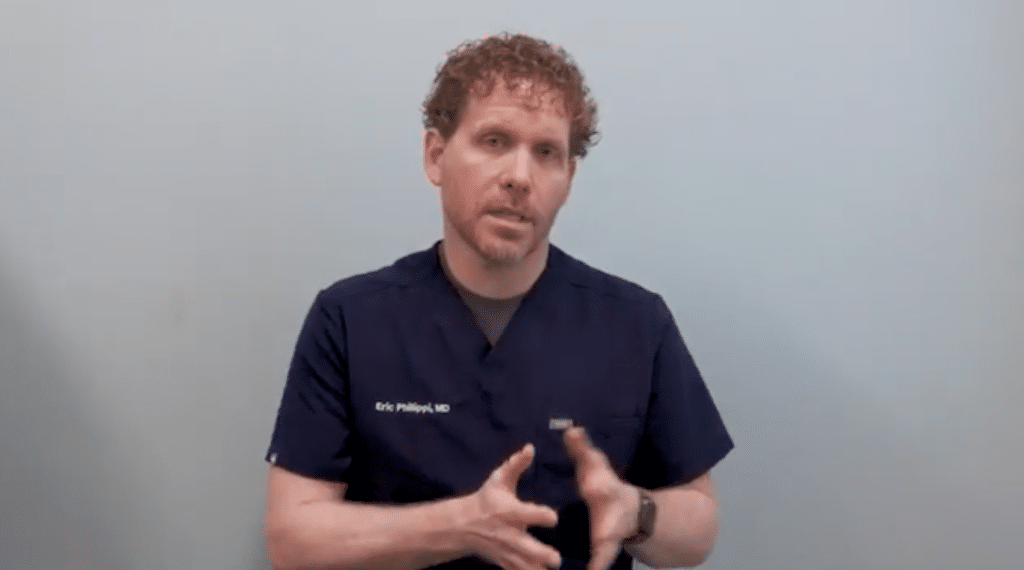
Low back pain is a common complaint among patients, and effectively diagnosing and treating it requires a nuanced understanding of its various causes and effective interventions. This guide provides a comprehensive overview of how to navigate the complexities of low back pain, from differential diagnosis to advanced diagnostic and treatment techniques.

Discover More »

Foot & Ankle Physical Exam: A Fast, Structured Walkthrough

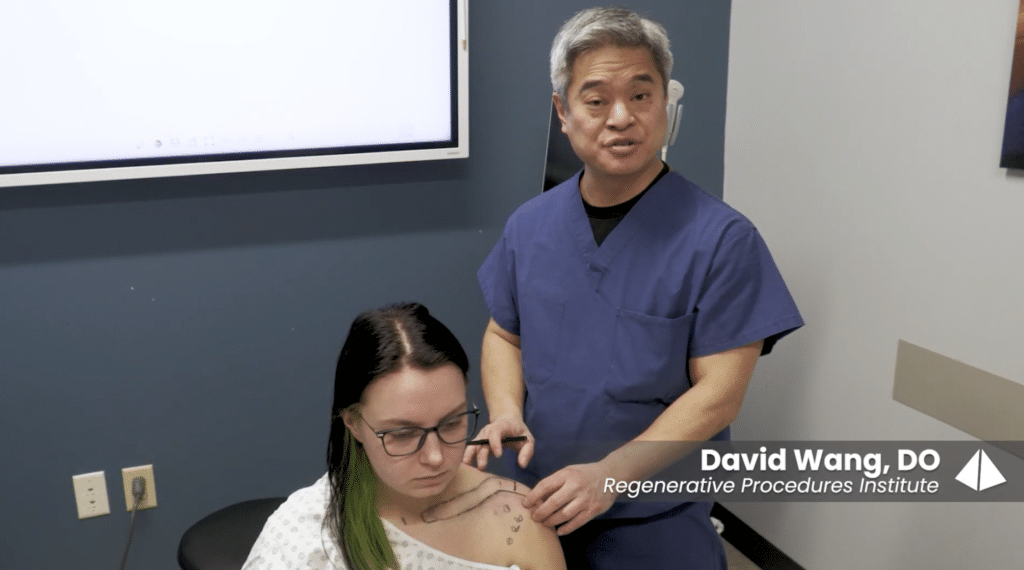
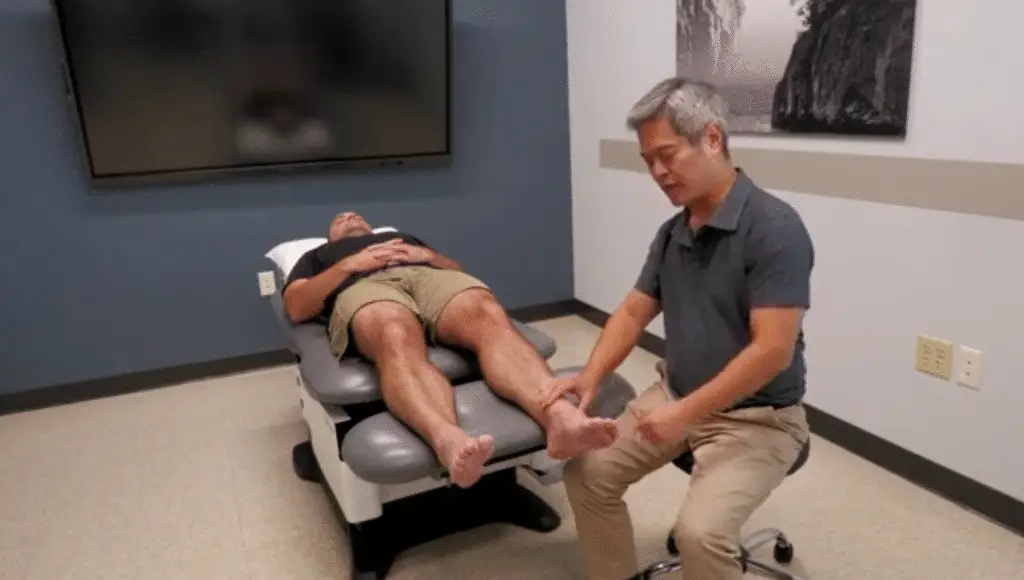
Unlock the secrets of a comprehensive foot and ankle physical exam with Dr. Wang’s structured approach! This clinician-friendly guide walks you through essential steps: inspection, palpation, range of motion, and special tests. Discover how to identify key signs of dysfunction, from the “too many toes” sign indicating posterior tibialis issues to the subtleties of Achilles tendinopathy. Whether you’re a seasoned practitioner or a student, this distilled playbook will enhance your diagnostic skills and improve patient outcomes. Don’t miss out on vital insights that could change your management strategies! Click here for the full lecture!

Discover More »

Pelvic & Lumbar Nerve Entrapments: A Practical Guide for Persistent Low-Back and Pelvic Pain

Low-back pain is a prevalent issue in clinical practice, often stemming from unexpected sources like peripheral nerve entrapments around the lumbar spine and pelvis. This practical guide delves into the intricacies of key pelvic nerves, their entrapment mechanisms, and effective treatment strategies using palpation and ultrasound. Discover how to identify and address conditions that mimic radicular pain, and learn essential techniques for mapping and treating these often-overlooked nerve pathways. Unlock the potential for lasting relief in patients with persistent low-back and pelvic pain—explore the full course for a deeper understanding!

Discover More »
Expert Insights

Exploring the Future of Regenerative Medicine

In regenerative medicine, progress hinges on a deep understanding of the scientific principles that drive healing and restoration. Our goal is to share knowledge from leading experts in the field, helping practitioners navigate the latest advancements and best practices. By focusing on essential concepts such as stem cell therapy, tissue engineering, and the role of chronic disease management, we provide educational content that informs and empowers clinic owners. Real-world examples from successful implementations highlight the impact of these therapies, making the information practical and actionable. We strive to create an engaging learning environment that encourages growth, connection, and informed decision-making in regenerative practices.

Stay Informed and Engaged

Join our community of progressive regenerative practice owners. Stay updated on our training events and resources to enhance your clinic’s success.

Scroll to Top